How Ocala’s Hard Water Damages Commercial Plumbing and HVAC Equipment
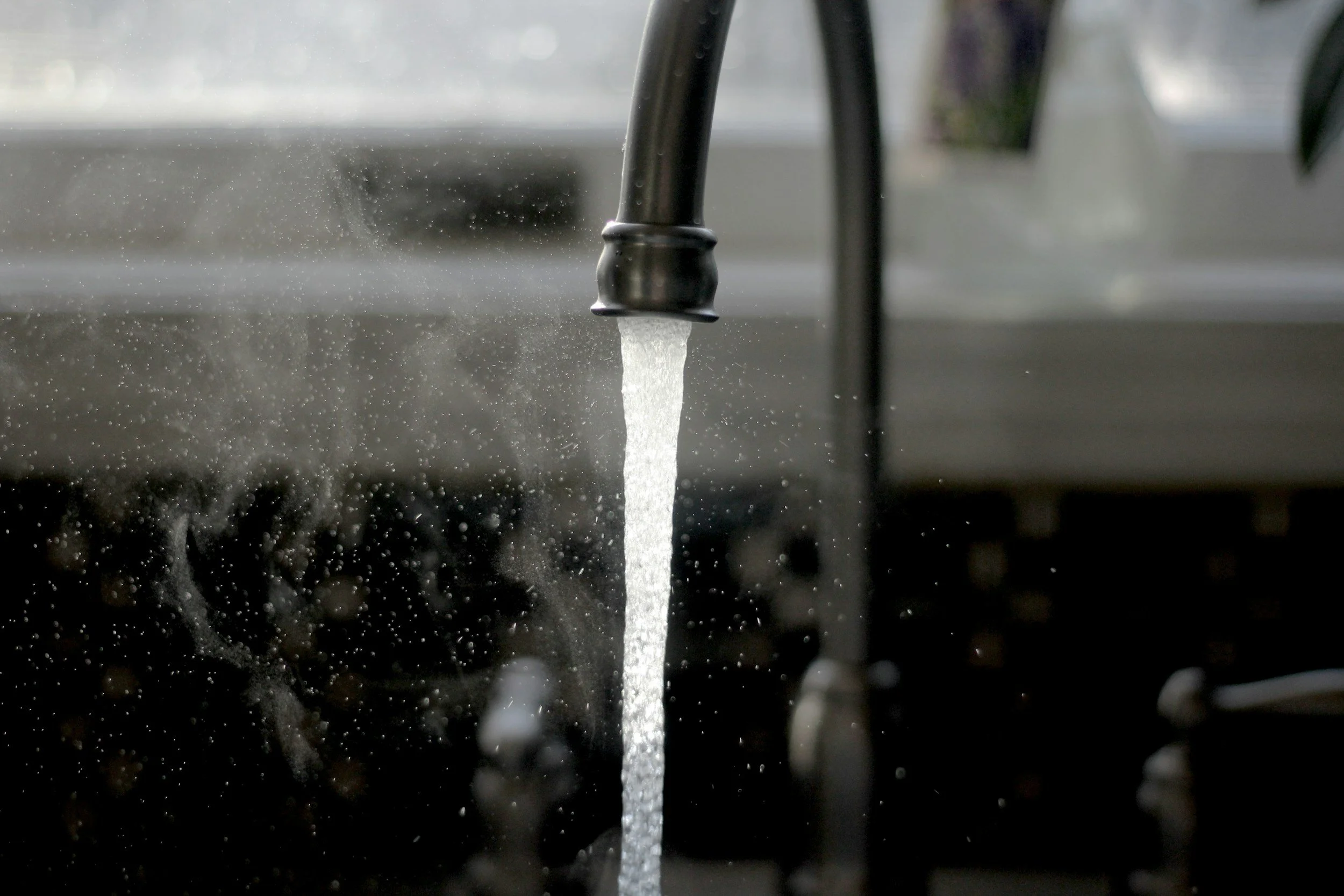
If you've ever noticed white, chalky buildup on faucets or fixtures in Ocala, you've seen hard water at work. Most of Central Florida's water comes from the Floridan aquifer, which flows through limestone and picks up calcium and magnesium along the way. That mineral content is harmless to drink, but it's tough on commercial plumbing and HVAC equipment.
For facility managers, the hidden cost of hard water shows up in energy bills, repair invoices, and shortened equipment life. Here's how it affects your building and what you can do about it.
How Hard Water Damages Commercial Systems
When hard water is heated or evaporated, dissolved minerals come out of solution and form scale: a hard, rock-like layer that coats pipes, heat exchangers, and valves. Scale acts as insulation, forcing equipment to work harder to move heat and water.
Water Heaters and Boilers
Scale collects at the bottom of tank-style water heaters and on heat exchanger surfaces in boilers and tankless units. Even a thin layer reduces heat transfer, which means higher gas or electric consumption, longer recovery times, and overheating that can lead to early failure.
Cooling Towers and Chillers
Cooling towers concentrate minerals as water evaporates. Without proper water treatment and bleed-off, scale builds up on fill media and inside chiller condenser tubes, reducing efficiency and increasing the risk of costly tube failures.
Humidifiers, Ice Machines, and Kitchen Equipment
Restaurants, healthcare facilities, and food production operations rely on equipment that's especially sensitive to scale, including commercial dishwashers, ice machines, steamers, and humidification systems.
Piping, Valves, and Fixtures
Over time, mineral deposits narrow pipe openings, clog aerators and flush valves, and cause valves and backflow assemblies to stick or fail inspections.
Signs Hard Water Is Affecting Your Facility
White or tan crust on fixtures, showerheads, and faucet aerators
Water heaters that make popping or rumbling noises
Rising energy bills without a change in usage
Reduced water pressure or flow at fixtures
Frequent repairs on dishwashers, ice machines, or boilers
Spotty glassware and dishes in food service areas
Protecting Your Equipment from Scale
Commercial water softening: Whole-building protection for water heaters, boilers, and fixtures.
Scale-inhibiting filtration: Point-of-use protection for ice machines, coffee equipment, and kitchen appliances.
Cooling tower water treatment: Chemical treatment paired with proper bleed-off control for chillers and cooling towers.
Routine descaling and flushing: Essential for tankless water heaters, boilers, and heat exchangers.
Preventive maintenance plans: Catching buildup early, before it causes failures.
The right approach depends on your building's water usage, equipment, and budget. In many facilities, a combination of treatment at the main supply and regular maintenance on critical equipment delivers the best return.
The Payoff: Lower Costs and Longer Equipment Life
Controlling scale helps your water heaters, boilers, and HVAC equipment run closer to their rated efficiency, reduces emergency repairs, and extends the time between major replacements. For facilities that run around the clock, like hospitals, manufacturing plants, and restaurants, avoiding unplanned downtime can be worth even more than the energy savings.
Get Expert Help in Ocala and North Central Florida
Balanced Mechanical & Plumbing Services helps commercial, industrial, and healthcare facilities in Ocala, Gainesville, The Villages, and across North Central Florida protect their plumbing and mechanical systems with preventive maintenance, water heater and boiler service, and full-scope mechanical contracting.
Seeing signs of scale buildup in your building? Contact our team or call (352) 351-5560 to schedule an evaluation.