
Is Your AC Making You Sick? Spotting & Treating Ductwork Mold in Central Florida
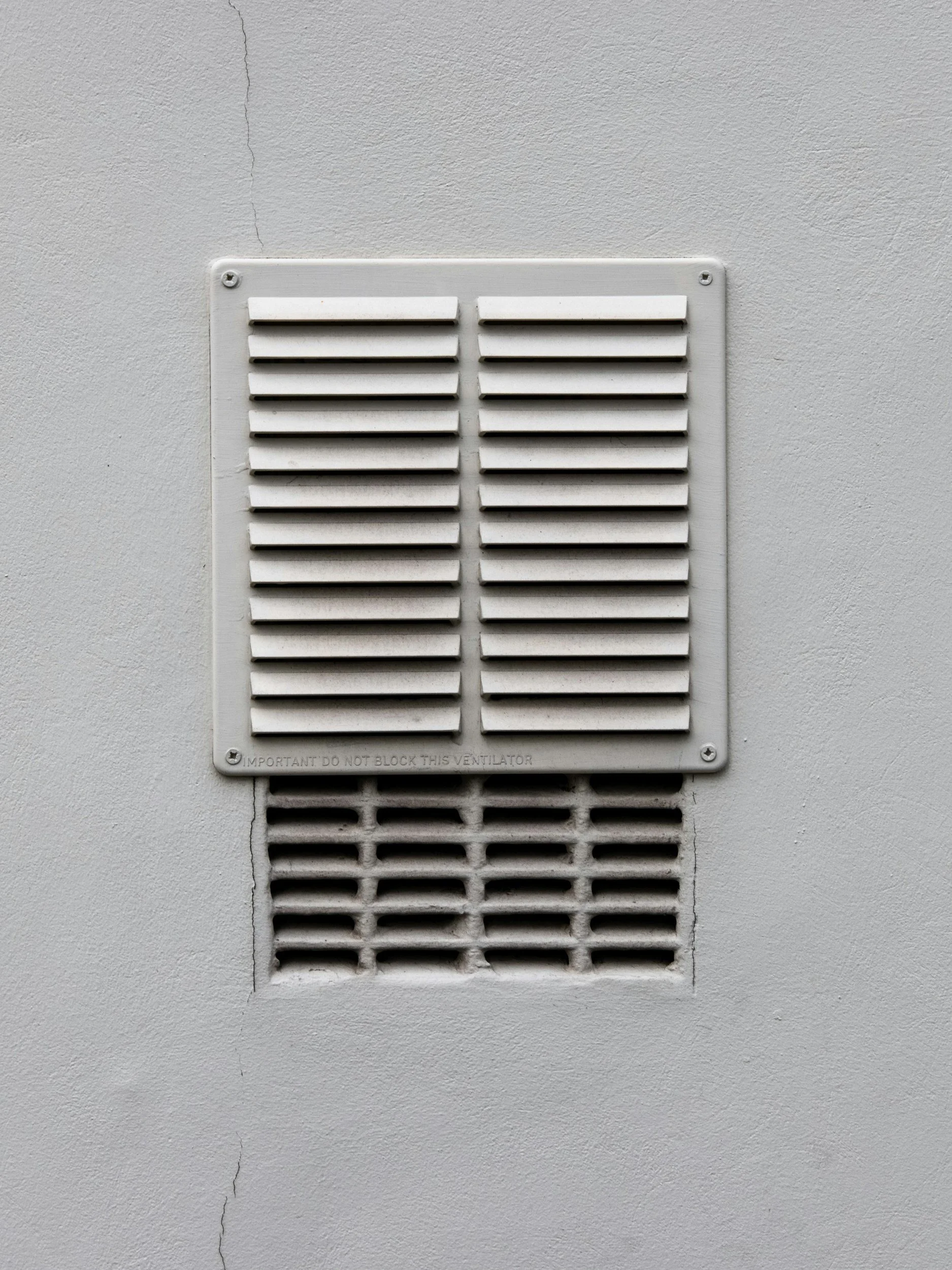
Living in Central Florida means dealing with relentless humidity for most of the year. While your air conditioner works overtime to keep your home or business cool, it is also responsible for removing gallons of water from the air every single day.
When relative humidity inside your building or ductwork stays high, it creates the ideal environment for mold, mildew, and bacteria to thrive.
Because your HVAC system circulates air throughout your entire property multiple times an hour, mold hiding in your supply or return vents can quickly compromise your indoor air quality—leading to unpleasant odors and health symptoms like coughing, sneezing, and eye irritation.
Here is what you need to know about spotting, treating, and preventing HVAC ductwork mold in Central Florida.
Warning Signs of Mold in Your HVAC System
Mold isn't always visibly blooming around your ceiling registers. Look out for these early red flags:
1. The "Dirty Sock" Odor
If your AC kicks on and emits a musty, damp, or stale smell—often referred to in the industry as "Dirty Sock Syndrome"—it's a strong indicator that organic buildup or mold is growing on your indoor evaporator coil or inside the supply plenum.
2. Visible Black Specks or Growth Near Vents
Inspect the supply grilles and air registers around your property. Visible black, green, or powdery residue accumulating around the vent edges or inside the duct opening suggests moisture is condensing and encouraging growth.
3. Unexplained Allergy or Respiratory Symptoms
If occupants experience sinus congestion, coughing, sore throats, or headache flare-ups that improve when they leave the building, contaminated air ducts could be the culprit.
4. Excessive Condensation ("Sweating" Ducts)
If you notice water droplets forming on vents, ceiling tiles, or exposed ductwork in your attic or crawlspace, the system is struggling with humidity control.
Why Florida HVAC Systems Are Vulnerable to Mold
Mold requires three things to grow: spores, organic matter (dust/pollen), and moisture. Florida provides all three in abundance:
Attic Heat Differences: Cool air passing through uninsulated or poorly sealed ductwork sitting in a 130°F Florida attic creates heavy condensation on duct walls.
Oversized AC Units: An oversized air conditioner cools a space too quickly without running long enough to lower humidity, leaving air damp and muggy.
Clogged Condensate Lines: A blocked drain line backs up standing water into the drain pan, raising moisture levels inside the air handler.
How to Treat & Prevent Ductwork Mold
Treating duct mold requires addressing both the growth itself and the underlying moisture issue.
Professional Duct Inspection & Sanitization: Simply wiping down vent covers won't fix growth deep inside flex ducting or rigid metal trunks. A licensed technician uses specialized equipment and EPA-registered antimicrobial solutions to clean and sanitize the system safely.
Install UV Air Purifiers (Germicidal Lights): Installing UV-C lights inside your air handler targets mold spores and bacterial growth directly on the evaporator coil before they can travel into your ductwork.
Upgrade to Whole-Home Dehumidification: When standard AC cooling isn't enough during rainy seasons, a dedicated whole-home or commercial dehumidifier keeps relative indoor humidity locked below 50%, completely stopping mold growth conditions.
Seal Duct Leaks: Air leaks draw hot, humid attic air into your cold duct system, triggering immediate condensation. Sealing joints and replacing damaged insulation keeps moisture out.
Protect Your Indoor Air Quality Today
Don't let hidden mold compromise the air you breathe at home or work. If you suspect moisture issues in your ductwork or want to explore indoor air quality solutions tailored for Central Florida, our experienced team is here to help.
Contact us today to schedule an indoor air quality assessment or ductwork inspection in Ocala and surrounding areas!
