
How to Protect Your Outdoor HVAC Unit During Florida Hurricane Season
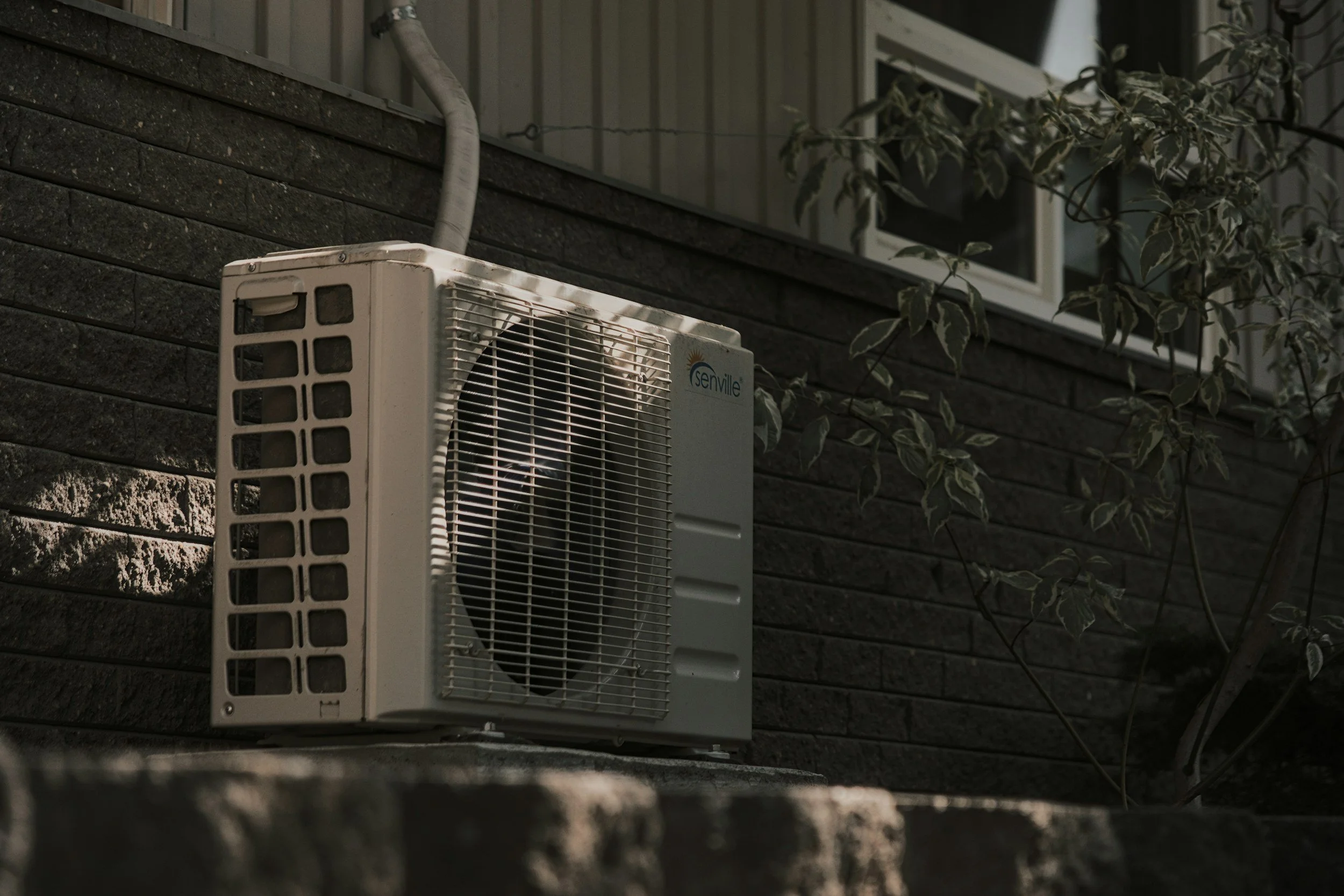
Living in Central Florida means preparing for intense summer storms, tropical depressions, and full-scale hurricane seasons. While homeowners and commercial property managers usually focus on securing windows, roofs, and garage doors, one of the most vulnerable (and expensive) assets on your property sits right outside on a concrete pad: your HVAC condenser unit.
High wind gusts, flying yard debris, sudden power surges, and severe flooding can easily wreck fan blades, kink copper refrigerant lines, or destroy internal electrical components.
Follow this step-by-step guide to safeguard your outdoor HVAC investment before severe weather strikes.
Step 1: Pre-Season Prep (Before the Storm Warning)
The best time to protect your AC is well before a named storm enters the Gulf or Atlantic.
Verify Hurricane Tie-Down Straps: Florida building codes require outdoor units to be bolted to a hurricane pad using rated tie-downs. Inspect your straps annually for rust, loose bolts, or dry rot.
Trim Nearby Trees and Vegetation: High winds turn dead branches and loose limbs into high-speed projectiles. Maintain at least a 3- to 5-foot clear perimeter around your condenser unit.
Install HVAC-Specific Surge Protection: Breakers trip under electrical overload, but they don't block lightning or grid voltage spikes. Installing a dedicated HVAC surge protector at the outdoor disconnect box prevents expensive inverter board and compressor burnouts.
Document Equipment Serial Numbers: Take quick photos of the unit, including the manufacturer’s data plate showing model and serial numbers. If a storm does cause severe damage, clear photos streamline the home or commercial property insurance claim process.
Step 2: Imminent Storm Prep (24 to 48 Hours Out)
When an official Hurricane Watch or Warning is issued for Marion County or the surrounding Central Florida area, begin immediate physical prep:
Pre-Cool the Space: Set your thermostat a few degrees cooler than normal right before the storm hits. This traps cool, dehumidified air inside the building in case power grid failure lasts for hours or days.
Clear the Surrounding Yard: Move patio furniture, potted plants, trash cans, and outdoor tools inside a garage or shed. Loose items are the number one cause of dented fins and punctured AC coils.
Shut Off Electrical Power: Shut the AC down at the thermostat first, then flip the main breaker switch inside your breaker panel AND the outdoor disconnect switch. Never leave an AC unit running during a storm—power flickers and voltage dropouts will destroy the compressor in seconds.
Cover and Secure the Outdoor Unit: Place a fitted cover, breathable tarp, or custom plywood shield over the top of the outdoor condenser to block falling branches and debris. Secure it using heavy-duty ratchet straps.
⚠️ Important: Never turn on an AC while it is covered! Covering restricts airflow, causing immediate system overheating.
Step 3: Post-Storm Safety & Inspection (After the Storm Passes)
Once conditions clear, resist the urge to immediately turn your air conditioner back on.
Remove All Covers First: Take off all tarps, straps, and protective plywood shields completely.
Check for Water and Flood Damage: If standing floodwater reached the lower housing or electrical panel of your condenser, do not attempt to flip the breaker back on. Water-damaged controls can cause electrical fires or short out the compressor.
Look for Mechanical Damage: Visually inspect the unit for bent fan blades, tilted bases, or cracked/kinked copper refrigerant lines.
Wait for Power Grid Stability: Once power returns to your neighborhood, wait 15–30 minutes before turning the AC circuit breaker back on. Grid restoration is notorious for severe voltage spikes.
Need Help Preparing or Inspecting Your HVAC Unit?
Whether you need pre-season hurricane tie-down verification, dedicated surge protector installation, or an emergency post-storm diagnostic, getting your equipment checked by licensed technicians ensures your system keeps running through Florida’s peak heat.
Contact our team today to schedule an inspection or request emergency AC repair service in Ocala and Central Florida!
