
The True Cost of Neglecting Commercial Chiller & Package Unit Maintenance in Florida
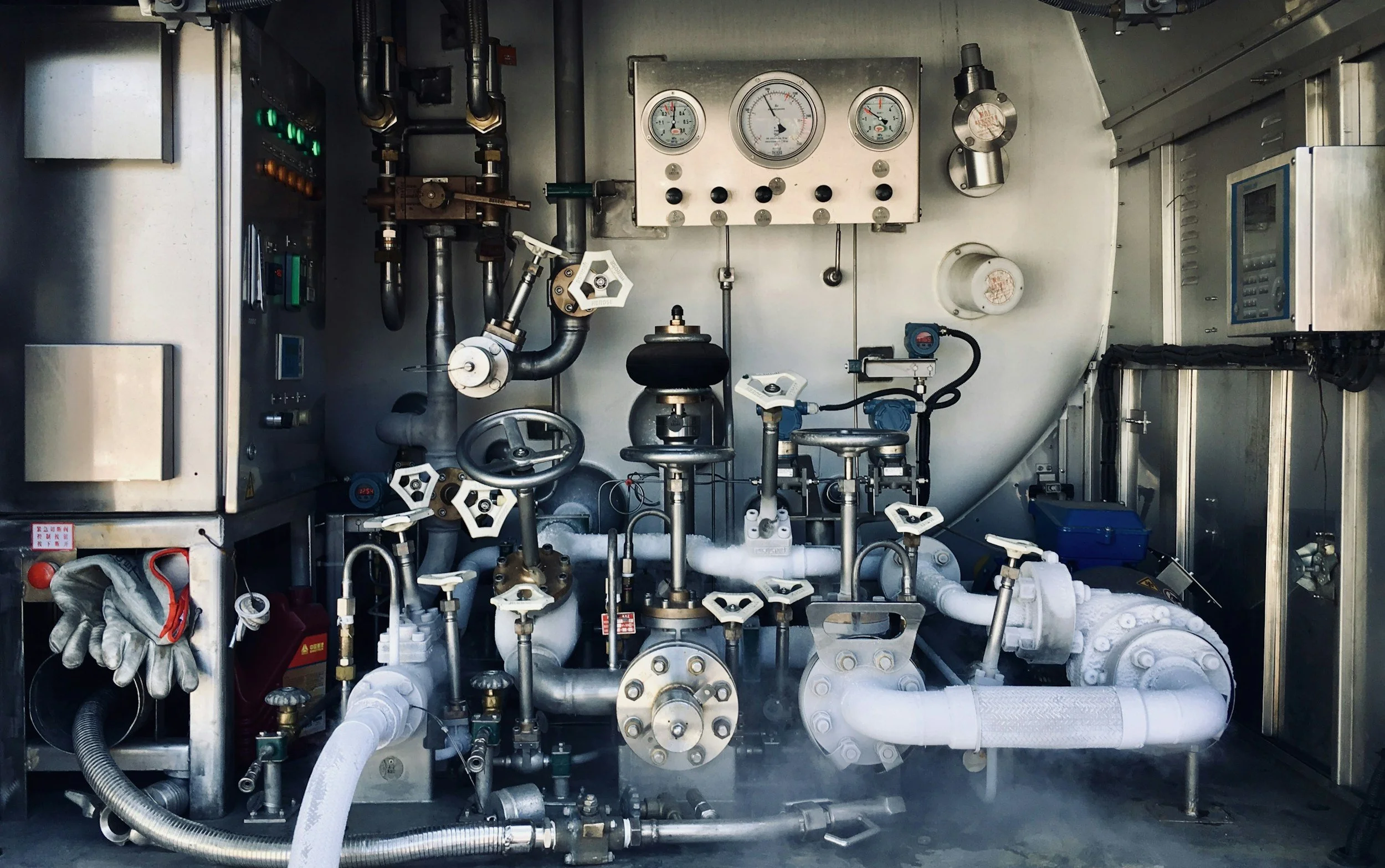
In Central Florida’s demanding climate, commercial HVAC infrastructure operates under severe environmental stress. Rooftop package units and heavy-duty chillers are the workhorses of local office complexes, healthcare facilities, educational institutions, and retail hubs across Ocala and Gainesville.
Unlike light commercial systems that cycle down during mild periods, large industrial cooling systems in North Central Florida run nearly year-round. Operating equipment at this scale without structured, routine maintenance doesn't just reduce efficiency—it creates a direct path to catastrophic mechanical failure and staggering emergency replacement costs.
Here is a breakdown of what happens when commercial chiller and package unit servicing is neglected, and how preventive care protects your facility's bottom line.
High Failure Points in Florida’s Unique Environment
Central Florida presents a harsh combination of extreme heat, high humidity, frequent thunderstorms, and airborne contaminants (like pine pollen and agricultural dust). These factors target critical mechanical components:
Condenser Coil Fouling: Airborne debris and humidity create a thick coating over exterior condenser coils. This insulating layer blocks heat transfer, forcing compressors to run at extreme head pressures.
Compressor Thermal Overload: Excessive operating pressures combined with 95°F+ summer ambient temperatures cause thermal degradation of compressor oil, leading to motor burnouts.
Severe Cabinet & Line Corrosion: Constant humidity and standing condensation accelerate rust on cabinet panels, electrical contactors, and copper refrigerant lines.
Condensate Drain Pan Biological Growth: Florida’s warm environment encourages heavy algae and mold buildup in drain pans, leading to clogged lines, water damage to roofs and ceilings, and system shutdowns triggered by safety switches.
Planned Maintenance vs. Emergency Replacement Costs
Ignoring routine servicing might seem like a way to trim operational overhead in the short term, but the financial math quickly disproves that logic.
| Operational Factor | Planned Preventive Maintenance | Neglected / Emergency Reaction |
|---|---|---|
| Energy Consumption | Peak efficiency (lowest possible kWh draw) | Up to 15%–30% increase in utility bills |
| Repair Expenses | Small, predictable component replacements | Major capital outlays (e.g., compressor replacement) |
| Facility Downtime | Scheduled during off-peak or non-business hours | Unplanned outages during peak business operations |
| Equipment Lifespan | 15–20 years (chillers); 12–15 years (RTUs) | 7–10 years due to premature mechanical failure |
Core Maintenance Checklist for Package Units & Chillers
To keep large-scale commercial cooling equipment running at design capacity, your service plan should include these essential protocols:
Rooftop Package Units (RTUs):
Quarterly Belt & Drive Inspections: Tensioning and replacing worn blower belts prevents motor burnout and preserves proper supply airflow.
Bi-Annual Chemical Coil Cleanings: Cleaning evaporator and condenser coils with non-acidic foam restores full heat-rejection capability.
Electrical Contactor & Capacitor Testing: Checking electrical draws under load catches failing components before they weld contacts or blow fuses.
Commercial Chillers:
Water Treatment & Loop Analysis: Monitoring chemical water treatment prevents scaling and biological growth inside evaporator tubes.
Oil Analysis & Filter Changes: Testing compressor oil for acid buildup and moisture provides early detection of internal mechanical wear.
Refrigerant Charge Verification: Identifying micro-leaks early prevents low-charge conditions that destroy expensive scroll or screw compressors.
Protect Your Capital Assets Today
Commercial chillers and rooftop package units represent some of the largest capital assets on your balance sheet. Implementing a proactive maintenance strategy with a qualified local contractor ensures lower monthly utility bills, reliable cooling performance, and maximum equipment service life.
Is your facility's mechanical equipment due for a comprehensive inspection? Contact our commercial HVAC specialists today to schedule a system audit or customize a maintenance plan for your facility.
